Travellers are planning further ahead, spending more deliberately and increasingly prioritising value over volume, with international travel expected to strengthen in the second half of 2026.


KUALA LUMPUR, 21 July 2026 – Travel continues to be a priority for consumers across Asean, with travellers becoming increasingly intentional about how they plan and spend on their journeys. As economic and global conditions evolve, they are making smarter choices on where they go, how much they spend and when they book.
According to AirAsia MOVE's (MOVE) insights from forward bookings for travel between 1 July and 31 December 2026, travellers are increasingly prioritising value, convenience and thoughtful planning over volume alone.
The findings indicate that travellers are moving away from spontaneous decision-making towards more intentional travel in 2026, prioritising destinations that offer greater value, shorter travel times and meaningful experiences without compromising affordability.
Travellers are spending smarter, not less
One of the clearest shifts emerging from MOVE's data is not whether people are travelling, but how they are allocating their travel budgets. Average flight spending for the second half of 2026 is currently around 35% higher than the average hotel spend. The data suggests that travellers remain willing to invest in reaching their preferred destinations, while becoming more selective about where they stay.
Rather than choosing premium luxury accommodation, travellers are increasingly opting for hotels that provide the right balance of comfort, convenience and affordability.
This is reflected across the more than one million hotels available on MOVE worldwide, where 76% of bookings are for three and four star properties, demonstrating a clear preference for quality accommodation that delivers greater value.
Payday is when travellers turn plans into bookings
MOVE's booking intelligence shows that nearly 40% of flight bookings are made for travel taking place between the 25th and 5th of each month, closely aligning with salary cycles across many Asean markets.
The pattern suggests that while travellers often begin researching and planning earlier, many choose to make the trip closer to the pay day period, reflecting a more disciplined approach to discretionary spending.
As affordability becomes increasingly important, financial planning is becoming an integral part of the travel decision-making process.
Convenience is driving destination choices
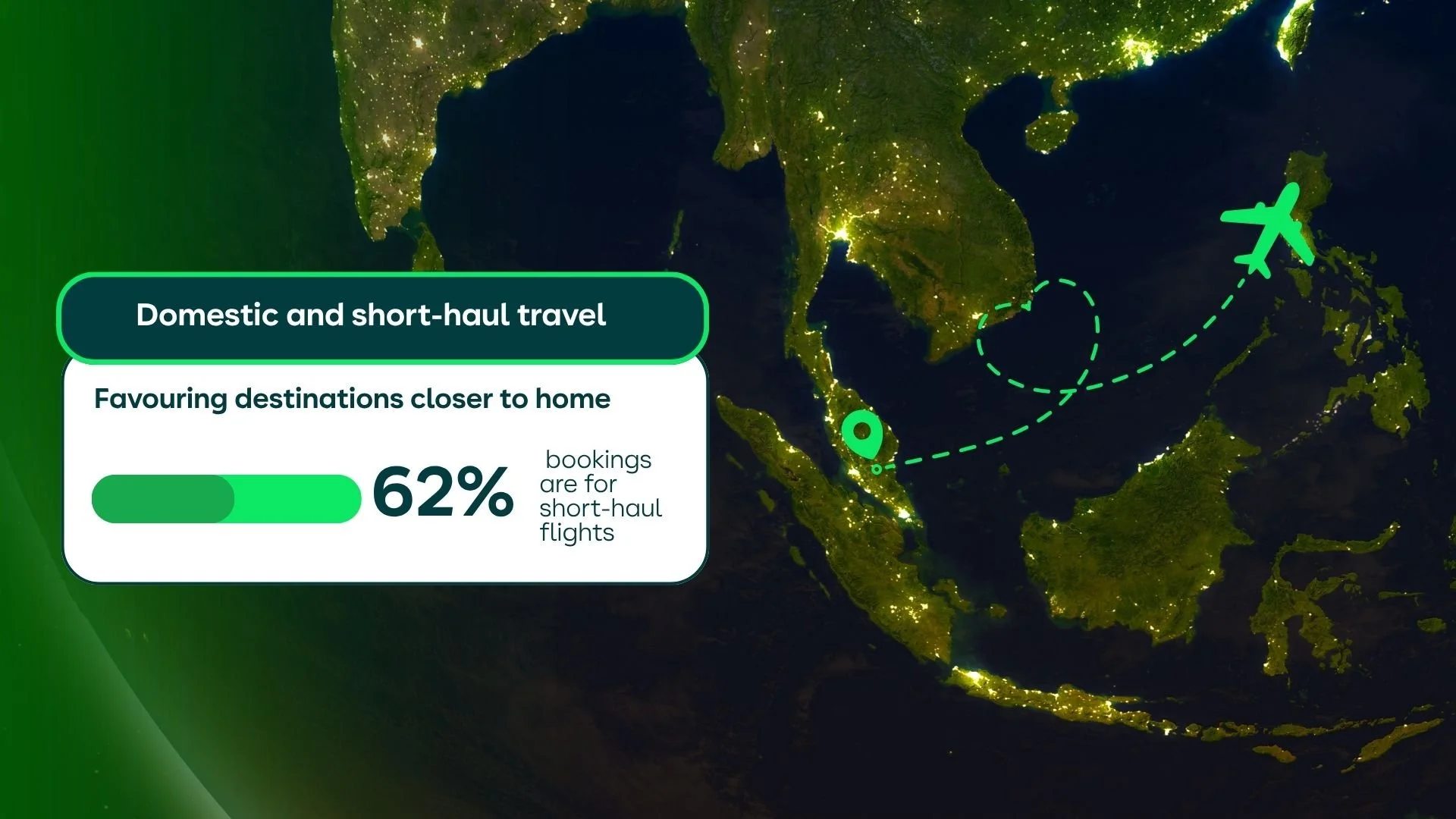
Travellers continue to favour destinations that are easier and quicker to reach.
While domestic travel remains resilient across the region, international demand continues to be concentrated on destinations within four hours' flying time, where travellers can maximise both their time and travel budgets.
Bookings for international flights under four hours increased by 14% in the second half of 2026 compared to the same period in 2025. The trend reflects growing demand for destinations that offer convenience, accessibility and strong overall value, making shorter regional getaways increasingly attractive.
International travel is expected to strengthen in H2
Travellers are also planning holidays earlier, with a growing proportion of bookings now being made more than 120 days before departure. The trend points to renewed confidence in longer-term travel planning after a period characterised by shorter booking windows.
Malaysia, Thailand, Indonesia, Japan and the Philippines are expected to remain among the strongest destination markets during the remainder of the year, reflecting continued demand for regional travel supported by strong connectivity and competitive value.
Millennials and Gen Z continue to power travel demand
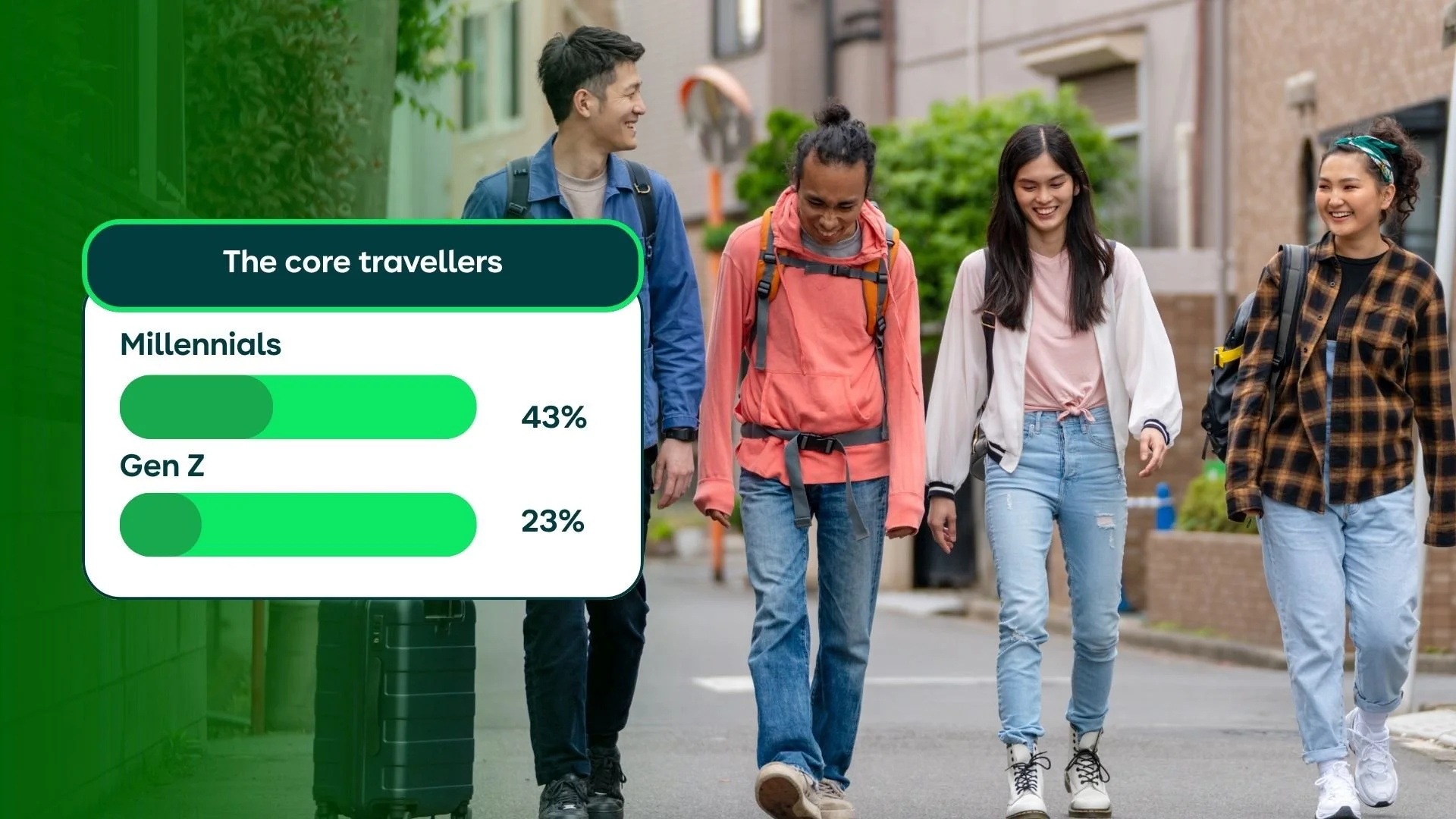
Millennials remain the largest travelling generation on MOVE, accounting for 43% of all bookings, followed by Gen Z at 23%. Together, they represent almost two-thirds of bookings across the platform, reinforcing that younger travellers continue to shape the region's travel economy.
While cost-consciousness has become increasingly important, travel remains a lifestyle priority for these generations. Rather than travelling less, they are making more considered decisions by choosing destinations and experiences that maximise value within their budgets.